
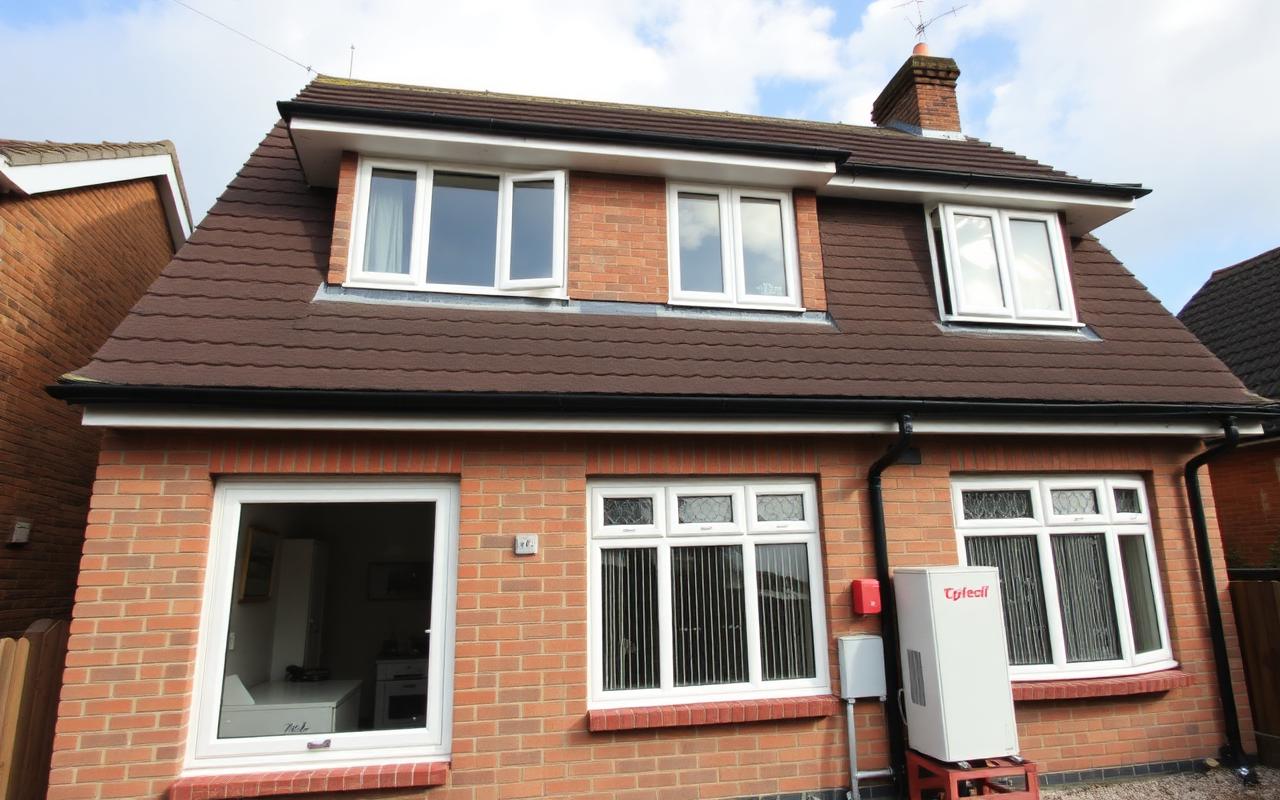
The clock is ticking for UK landlords. With EPC regulations tightening and compliance deadlines approaching, thousands of landlords face a critical decision: upgrade now or risk being unable to let their properties.
But here's the challenge - EPC upgrades aren't cheap. Bringing a property from an F or G rating to the required C standard can cost £5,000 to £15,000 or more. And while traditional finance options exist, they're not always accessible or appropriate for every landlord's situation.
This guide explains your financing options for EPC upgrades in 2026, with a focus on solutions that work when traditional routes don't.
Why EPC Upgrades Can't Wait
Since April 2020, landlords in England and Wales have been unable to let properties with an EPC rating below E. But the regulations don't stop there.
The government's plan is clear: by 2025, new tenancies will require a minimum EPC rating of C. By 2028, this applies to all existing tenancies as well.
For landlords with properties rated D, E, F, or G, this means action is required. The alternative is simple but stark - you won't be able to legally rent your property.
The financial impact extends beyond compliance. Properties with poor EPC ratings are:
- •Harder to let (tenants increasingly prioritise energy efficiency)
- •Subject to lower rental values (energy costs matter to tenants)
- •Less attractive to buyers (if you decide to sell)
- •Potentially subject to fines (up to £5,000 for non-compliance)
The case for upgrading is compelling. The question is how to fund it.
Your EPC Upgrade Financing Options
Let's examine the main routes landlords use to finance EPC improvements, along with their advantages and limitations.
Traditional Landlord Loans
High street banks and specialist lenders offer landlord loans for property improvements. These typically provide:
- •Loan amounts from £5,000 to £50,000+
- •Repayment terms of 1-7 years
- •Interest rates from 4-12% depending on circumstances
- •Secured against property or portfolio
The reality for many landlords:
Traditional loans require income verification and often take 2-6 weeks for approval. If you're already at your borrowing limit (most lenders cap at 4-6 mortgaged properties), have age restrictions (many lenders won't lend past 70-75), or own unmortgageable properties, this route may not be available.
Remortgaging to Release Equity
Some landlords remortgage to release equity for improvements. This can work well if:
- •You have significant equity in the property
- •Interest rates are favourable
- •You're within lender borrowing limits
- •The property is mortgageable
The challenges:
Remortgaging takes time (typically 6-12 weeks), involves legal fees and valuation costs (£1,000-£2,000), and adds long-term debt to your balance sheet. For HMOs, properties with sitting tenants, or non-standard construction, remortgaging may not be possible at all.
Green Finance Schemes
Various green finance products target energy efficiency improvements:
- •Green mortgages (lower rates for efficient properties)
- •Local authority grants (limited availability)
- •Energy Company Obligation (ECO4) scheme (means-tested)
The limitation:
Most schemes are designed for owner-occupiers, not landlords. Availability is limited, eligibility criteria are strict, and funding amounts rarely cover full upgrade costs.
Rent Factoring - The Alternative Approach
This is where rent factoring offers a fundamentally different solution.
Rather than borrowing money, rent factoring involves selling a portion of your future rental income in exchange for immediate cash. You're not taking on debt - you're converting future income into present capital.
How it works for EPC upgrades:
- You have a tenanted property requiring EPC improvements
- You agree to factor 6-12 months of rental income
- Factored purchases these rental income rights, paying you £1,000-£20,000 upfront
- You complete the EPC upgrade work
- Your tenant continues paying rent, with an agreed portion allocated to Factored for the agreed term
Why landlords choose rent factoring for EPC upgrades:
What Do EPC Upgrades Actually Cost?
Understanding the investment required helps you plan your financing approach.
Common EPC improvements and typical costs:
Most properties require a combination of measures to achieve meaningful rating improvements.
Typical D to C upgrade
- Loft insulation: £400
- Cavity wall insulation: £1,200
- Boiler replacement: £3,000
- Heating controls: £300
Total: £4,900
Challenging F to C upgrade
- Full insulation package: £2,500
- Double glazing: £6,000
- New boiler: £3,500
- Solar panels: £6,000
Total: £18,000
The ROI Calculation
While these costs seem substantial, consider the alternative. A property that can't be legally let generates zero income. The investment preserves your rental income stream, which for a property generating £1,200/month represents £14,400 annual income.
Additionally, improved EPC ratings typically allow 5-10% higher rents (tenants value lower energy bills), and significantly improve property values (some studies suggest 10-20% premium for high EPC ratings).
The Factored Process for EPC Upgrade Funding
Here's exactly how landlords use Factored to finance EPC improvements:
Assessment (Day 1)
You identify the EPC upgrade requirements and costs. You have a signed tenancy agreement and know your monthly rental income.
Application (Day 1)
You apply through factored.co providing signed tenancy agreement, proof of property ownership, ID and proof of address, and details of rental income. Note: This is soft-check only. No impact on your credit score.
Agreement (Day 1-2)
Factored reviews your application (90% approval rate) and offers terms including lump sum amount (typically £1,000-£20,000), repayment term (typically 6-12 months), and monthly allocation from rent.
Funding (Day 2-3)
Factored transfers the lump sum to your account. You now have immediate capital for EPC upgrades.
Upgrade Work (Weeks 1-6)
You commission and complete the EPC improvement work. Your tenant remains in situ (no void periods).
Repayment (Months 1-12)
Your tenant continues paying rent as normal. The agreed portion is allocated to Factored for the agreed term. After this period, you receive 100% of rental income again.
Real example:
Sebastian Harman, HMO owner, needed EPC upgrades across multiple properties to maintain compliance. Traditional finance wasn't available due to existing mortgage commitments.
"Factored was a lifesaver! I used their financing for my EPC upgrade which wouldn't have been possible without them."
The funding arrived within 24 hours, allowing Sebastian to complete urgent insulation and boiler work before new tenancy agreements began.
Common Questions About Financing EPC Upgrades
Do EPC upgrades affect my credit score?
The upgrades themselves don't affect your credit. However, how you finance them might. Traditional loans involve hard credit checks and add debt to your credit file. Rent factoring involves only soft checks and adds no debt, so there's no credit score impact.
How quickly can I get funding?
This varies dramatically by method:
- • Traditional loan: 2-6 weeks
- • Remortgage: 6-12 weeks
- • Grant schemes: 3-6 months (if approved)
- • Rent factoring: 24-48 hours
What if my property is unmortgageable?
Many properties requiring EPC upgrades fall into non-standard categories that mainstream lenders won't touch. Rent factoring doesn't require the property to be mortgageable - it's based on rental income, not property value.
Can I factor multiple properties for a larger upgrade programme?
Yes. Portfolio landlords often factor rental income from multiple properties to fund a comprehensive EPC upgrade programme across their portfolio.
What happens if I sell the property during the repayment term?
You can settle the remaining balance early (with a discount for early settlement) from sale proceeds. There are no penalties or exit fees.
Is rent factoring regulated?
Factored is FCA registered (997958) and ICO registered (ZB556110). The company operates as Factored Technologies Limited (Company No. 14649122) from offices in London.
Making Your Decision
EPC upgrades aren't optional - they're a compliance requirement that affects your ability to let your property and its long-term value.
The financing route you choose depends on your specific circumstances:
Choose traditional loans if:
- •You have excellent credit and borrowing capacity
- •You're not time-pressured
- •You want the lowest possible interest rate
- •Your property is mortgageable
Choose rent factoring if:
- You need funding fast (weeks, not months)
- You want to protect your credit score
- You're at borrowing limits or have age restrictions
- Your property is unmortgageable or non-standard
- You want to avoid adding debt to your balance sheet
For many landlords, particularly those with portfolios, HMOs, or properties that don't fit mainstream lending criteria, rent factoring offers the most practical route to EPC compliance.
Take Action Now
EPC regulations aren't going away. The compliance timeline is clear, and properties that don't meet requirements will face letting restrictions and potential fines.
If you need EPC upgrade funding and traditional finance isn't suitable or fast enough, rent factoring provides an alternative that works around your circumstances, not against them.
Next steps:
- Obtain an EPC assessment to understand your upgrade requirements
- Get quotes for necessary improvement work
- Calculate the funding you need
- Apply at factored.co (soft check only, no credit impact)
- Receive funding in 24-48 hours
- Complete your EPC upgrades and maintain compliance
The cost of inaction is clear - properties that can't be let generate no income. The investment in EPC compliance protects your rental income stream and property value for years to come.
About Factored
Factored provides rent factoring services to UK landlords, advancing future rental income as upfront cash for property improvements, EPC upgrades, and cashflow management. With 24-48 hour funding, 90% approval rates, and no credit checks, Factored enables landlords to access capital when traditional finance isn't suitable.
Contact: +44 20 4538 7361 | FCA Registered (1005726) | Company No. 14649122