
A C-rated target on the horizon, rising contractor costs, and tenants who expect warmer, cheaper-to-run homes - that is why retrofit funding has moved from a nice-to-have to a pressing cashflow decision for landlords. If you own rental property in the UK, the issue is rarely whether works need doing. It is how to pay for them quickly enough, without stalling the asset or taking on finance that creates more pressure than it solves.
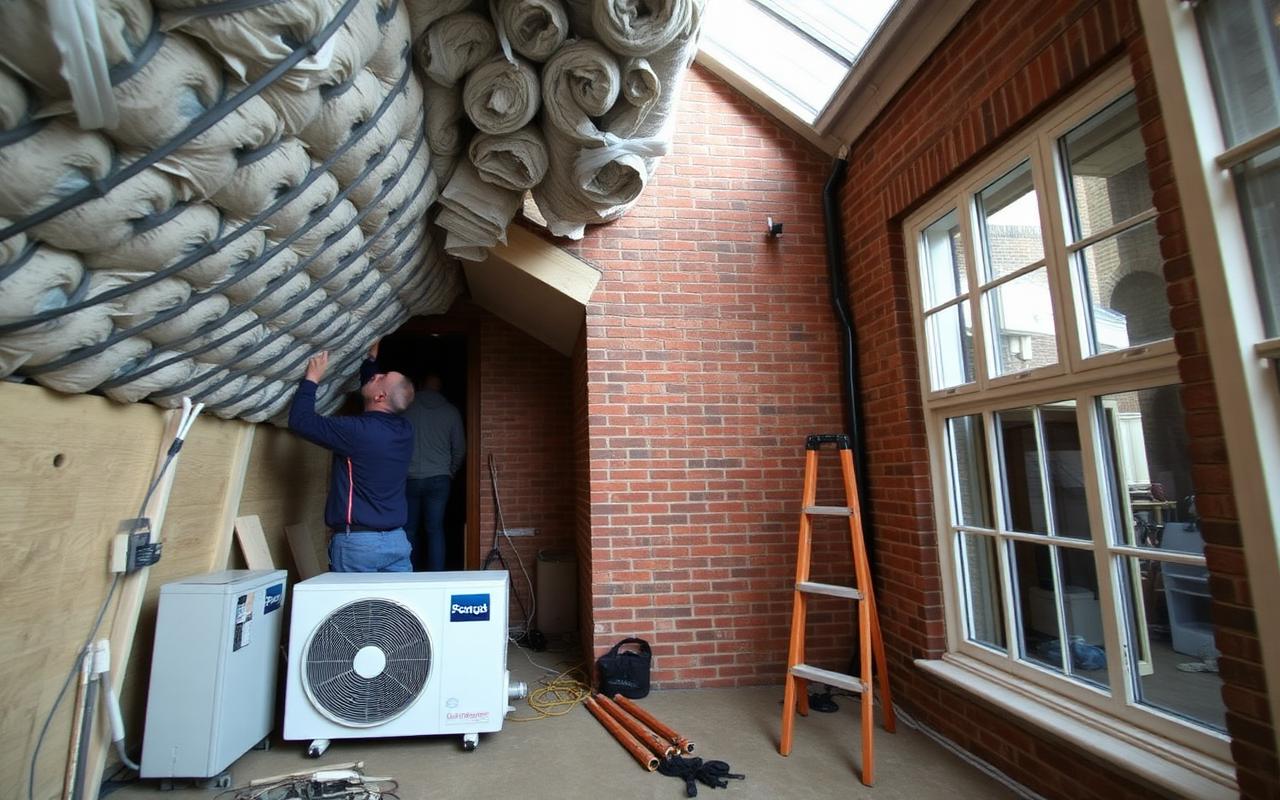
For many landlords, retrofit means practical work rather than grand design. Loft insulation, new windows, upgraded heating controls, ventilation improvements, hot water efficiency, or replacing older systems that drag down EPC performance. These jobs can protect rentability, support compliance, and preserve long-term value. But they also arrive with awkward timing. The quote lands during a void, after a repair bill, or just before a remortgage. That is where the funding question becomes commercial, not theoretical.
What retrofit funding actually means
Retrofit funding is simply the capital used to pay for energy-efficiency and modernisation works on an existing property. In a landlord context, that usually means funding improvements intended to reduce energy use, improve EPC ratings, cut running costs for tenants, and keep a property competitive in the lettings market.
The phrase covers a wide range of funding routes. Some landlords use cash reserves. Some wait for rental surplus to build up. Some turn to traditional borrowing such as secured loans, bridging, or further advances. Others look for alternatives that are faster and less disruptive to existing lending structures.
That last point matters more than ever. A retrofit project is often too urgent to leave hanging for weeks, but too modest to justify a complex refinance. If you need £10,000 to £50,000 to upgrade one or more properties, the right option is usually the one that matches the speed and scale of the work.
Why retrofit funding matters now
The economics of older stock have changed. Landlords are dealing with tighter regulation, closer scrutiny of EPC performance, and tenant demand for homes that are cheaper to heat. At the same time, improvement costs have risen, and void periods are more painful when a unit cannot be let until works are finished.
There is also a portfolio angle. A property with poor energy performance can become the awkward asset in the mix - harder to let, harder to refinance, and more expensive to maintain. Funding retrofit work early can be the difference between keeping an asset income-producing and watching margins narrow over time.
Still, speed has to be balanced against cost. Not every improvement pays back quickly. Full window replacement, for example, may support comfort and EPC improvement, but the return depends on the property, the tenant profile and the wider condition of the building. Landlords who approach retrofit well tend to prioritise the measures that move the rating and protect rent first, then phase the rest.
Retrofit funding options for landlords
The obvious starting point is cash. If you have reserves available, paying outright avoids finance costs and keeps things simple. The trade-off is liquidity. Tying up cash in one property can leave you exposed when the next boiler fails or a tax bill lands.
Traditional loans can work, especially for larger programmes of work. But they often come with slower underwriting, stricter affordability checks and the balance-sheet impact of additional debt. For landlords already managing existing mortgages across a portfolio, adding another conventional borrowing facility is not always attractive.
Bridging finance is sometimes used where retrofit sits alongside a wider refurbishment or exit plan. It can be effective, but it is rarely the cleanest answer for straightforward EPC-driven upgrades. Costs can build quickly, and the structure may be heavier than the job requires.
A more flexible route is funding based on the strength of the rental income itself. That is particularly useful where the property is already let, the rent is stable, and the landlord needs capital fast for improvements that support income continuity. Factored operates in this space by purchasing future rental income rights rather than issuing a conventional loan. For the right landlord, that means access to capital without adding debt in the usual sense, and without the friction that often comes with bank-led underwriting.
How to judge the right retrofit funding route
The right choice depends on timing, property condition, and how much flexibility you need after the works are done. If your project is urgent, the first filter is speed. A good rate is irrelevant if the property sits empty while you wait for approval.
The second filter is impact on your wider position. If you are planning a remortgage, acquisition or portfolio restructure, taking on extra debt may not be ideal. In that case, a funding route linked to rental income rather than conventional borrowing can be commercially cleaner.
The third is certainty. Landlords do not need a theoretical facility. They need funds that can actually arrive in time to book contractors, replace failed systems, or complete compliance works before a tenancy starts. Approval models built around rental income can often be more predictable than products that lean heavily on lengthy affordability reviews.
Using retrofit funding without overcapitalising
Not every pound spent on retrofit produces the same result. The disciplined approach is to focus first on works that remove a letting risk or improve EPC performance at reasonable cost. In many properties that means insulation, heating controls, targeted fabric improvements and efficient replacement of outdated systems.
It is easy to overspend on specification where the local market will not fully reward it. A mid-range buy-to-let in a price-sensitive area does not always need premium materials or a full design-led refurbishment to achieve a better EPC and stronger tenant appeal. Retrofit should serve the asset, not the other way round.
That is why funding structure matters. If your finance gives you breathing room and speed, you can concentrate on the highest-value works first instead of trying to cram every possible improvement into one expensive phase.
Common landlord concerns about retrofit funding
One concern is whether funding will take too long to be useful. This is a fair question. Plenty of finance products promise flexibility but still involve days of document chasing and slow decision-making. For retrofit jobs tied to voids, compliance deadlines or contractor availability, that delay can cost more than the funding itself.
Another concern is credit impact. Many landlords are rightly cautious about making repeated full-credit applications, especially if they are active borrowers elsewhere. Options that rely only on a soft credit check can be more attractive where preserving credit profile matters.
Then there is the issue of debt. Some landlords simply do not want another loan attached to the property or company. That is one reason receivables-based finance has become more relevant. If the facility is structured around future rent rather than as a conventional loan, it may suit landlords who want capital access without expanding their debt stack in the usual way.
When retrofit funding makes the most sense
Retrofit funding tends to make the most sense when the work is necessary, time-sensitive and likely to protect or improve rental performance. A property slipping behind EPC expectations, an older house needing heating upgrades before reletting, or a portfolio where several units need modest improvements at once are all strong examples.
It can also make sense where the landlord is asset-rich but cashflow-conscious. That is common in property. On paper, there is plenty of value in the portfolio, but releasing it through a refinance is too slow, too expensive, or simply badly timed. Fast access to capital against future rental income can bridge that gap without forcing a larger restructuring exercise.
Retrofit decisions are rarely about chasing perfection. They are about keeping stock lettable, compliant and commercially sound. The best funding route is usually the one that lets you act at the right moment, with clear terms and minimal friction, so the property keeps earning rather than waiting.