
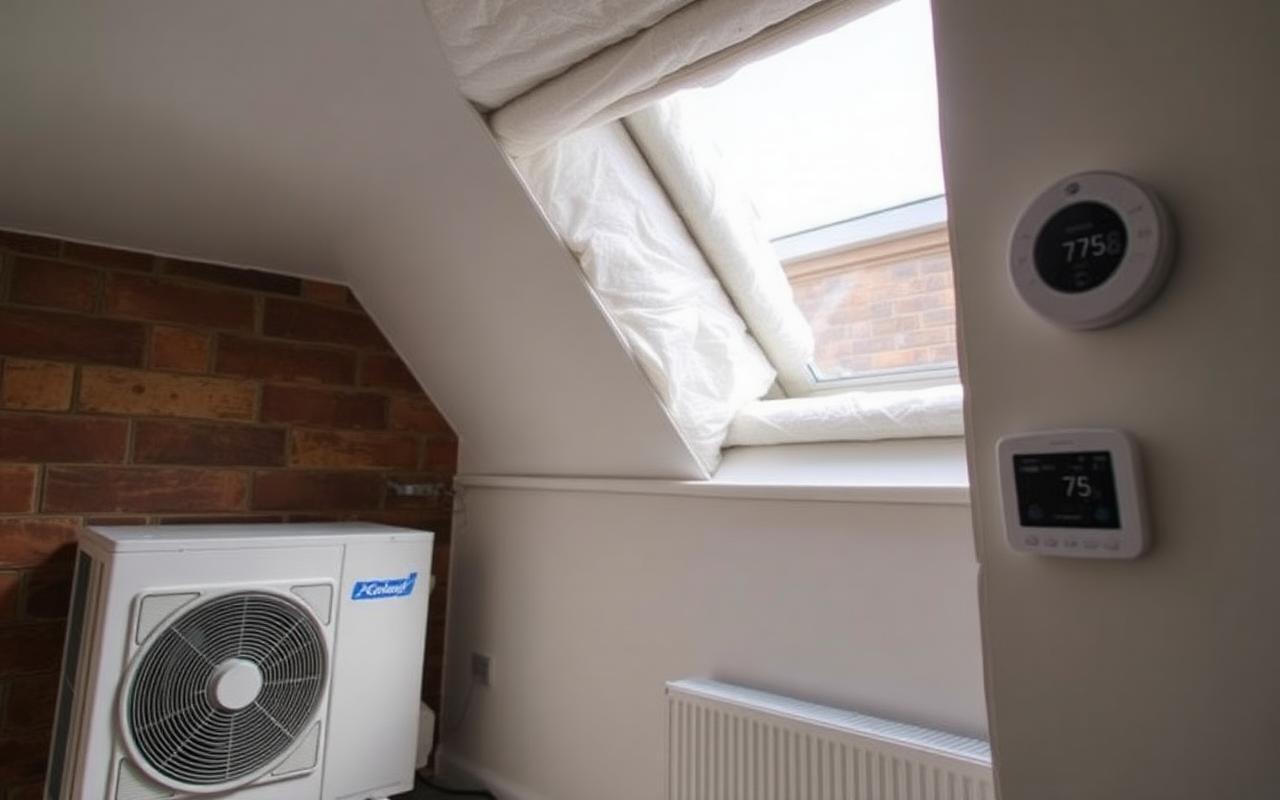
A new EPC target can turn from background noise into a funding problem very quickly. One boiler fails, insulation quotes come in higher than expected, and suddenly energy efficiency funding moves from a nice-to-have to an urgent operational decision.
For landlords, that decision is rarely just about finding the cheapest money. It is about timing, certainty and whether the funding method actually fits the way rental property works. If upgrades are needed to protect rental income, reduce void risk or keep a property lettable, waiting months for a traditional lender to make up its mind is often the most expensive option of all.
Why energy efficiency funding matters now
Most landlords are not improving energy performance for cosmetic reasons. They are doing it because compliance pressure is increasing, tenant expectations have changed, and inefficient stock is harder to let at the right rent. A property with poor insulation, dated heating or single glazing can cost more to run, attract more complaints and become more expensive to maintain over time.
There is also a commercial angle that matters just as much as regulation. Better-performing properties tend to be easier to market, more resilient during void periods and more attractive to tenants watching household bills closely. In some cases, energy upgrades also support stronger long-term asset values, particularly where older stock would otherwise drift behind local market standards.
That does not mean every upgrade pays back in the same way. Loft insulation, heating controls and draught proofing can be relatively low-cost and straightforward. Full window replacement, external wall insulation or a heat pump installation are a different proposition. The right route depends on the property, the tenant profile, the current EPC position and how quickly the works need to happen.
The real challenge with energy efficiency funding
The funding gap is usually not about whether a landlord can afford the works in theory. It is about cashflow in practice. Rental income may be healthy, but tied up over time. Tax bills, refurb costs, maintenance and mortgage payments compete for the same cash. If a landlord owns several properties, a single compliance push can create multiple upgrade costs at once.
This is where many standard finance options start to feel clunky. A bank may offer a lower headline rate, but slower underwriting, rigid criteria and security-heavy processes can make it a poor fit for urgent property works. Bridging can be fast, but it is still debt, and pricing can become expensive if the exit is not clear. Remortgaging may release capital, but it is often disproportionate if the actual need is a targeted sum to improve one property now.
For many landlords, the practical question is simpler than that. They need capital quickly, they need terms they can understand, and they do not want to damage their balance sheet for a relatively focused upgrade programme.
Energy efficiency funding options for landlords
There is no single best route for every property business. Grants and local authority schemes can help, but availability is inconsistent, eligibility can be narrow and application windows do not always line up with real-world project deadlines. They are worth checking, especially for certain retrofit measures or specific tenant circumstances, but relying on them alone can leave landlords waiting.
Traditional loans remain one option. If the project is large, the timeline is flexible and the borrower is comfortable taking on more debt, a loan can make sense. The trade-off is friction. Approval can take time, underwriting can be intrusive, and the process is not always designed around landlords who need to act before a tenancy change, a compliance deadline or a contractor slot disappears.
Using retained cash is the cleanest route on paper, but often the least efficient commercially. Tying up liquidity in one property can leave the wider portfolio exposed. Landlords who drain reserves for EPC works may then find themselves short when a roof issue, tax demand or void period lands a month later.
That is why alternative funding structures have become more relevant. If the property already produces rent, it may be possible to raise working capital against future rental income rather than taking on a conventional loan. For landlords who need to fund insulation, heating upgrades, glazing, ventilation improvements or related works, that can be a more practical fit.
When speed matters more than headline cost
A common mistake is comparing funding options only on rate. In property, speed has a value of its own. If a delayed decision means missing a let, extending a void, losing a contractor booking or falling behind on compliance work, the cheapest funding option can become the costliest choice.
That is especially true where energy upgrades are being done between tenancies. A two-week delay on funds can mean a month of lost rent once works, cleaning and re-marketing are factored in. On a simple spreadsheet, a slower product may still look attractive. In real life, the delay changes the economics.
The same applies where landlords want to bundle works together. If a property already needs decoration, flooring or a bathroom refresh, adding energy improvements at the same time is often more efficient. But that only works if the capital arrives when the project starts, not after the builder has moved on to another job.
How to assess the right funding route
Start with the property, not the product. What work is actually needed to improve performance meaningfully? A landlord trying to move from a low EPC rating into a compliant and lettable range should focus on measures with practical impact, not just whatever sounds most modern.
Then look at timescale. Is this a planned upgrade over the next six months, or an immediate requirement before re-letting? The more urgent the timeline, the more useful certainty becomes. A maybe in six weeks is not much use if contractors are ready now.
Next, consider balance sheet impact. Some landlords are comfortable using debt for capex. Others want to preserve borrowing capacity for acquisitions or refinancing. That is a sensible distinction. Funding a boiler and insulation package should not automatically mean using the same type of finance you would use to buy a property.
Finally, test the process itself. What documents are needed? How quickly can approval happen? Is the credit check hard or soft? Will the provider understand rental income, voids and property-specific cashflow, or treat the case like any other consumer borrowing application? These details matter more than they first appear.
A landlord-focused approach to energy efficiency funding
For landlords, property finance works best when it reflects rental income rather than fighting against it. If a property is income producing and the goal is to protect or improve that income through energy upgrades, the funding structure should support that logic.
That is why many investors now look beyond conventional loans for smaller to mid-sized projects. A funding model based on future rent can provide access to capital without adding another traditional debt product to the balance sheet. It can also reduce the paperwork and delay that often make mainstream lenders frustrating for time-sensitive works.
Factored, for example, works with landlords by purchasing future rental income rights rather than issuing a standard loan. For owners dealing with EPC upgrades, heating replacements or insulation works, that approach can provide fast access to capital, often within 24 hours, without the usual bank-style friction. It will not be the right answer for every case, but where speed, simplicity and balance-sheet impact matter, it is a practical one.
What good energy efficiency funding looks like
Good funding should do more than cover the invoice. It should help a landlord complete the works at the right time, keep the property lettable and avoid creating a second problem while solving the first. That means clear terms, realistic approval criteria and a process built around property operators rather than generic borrowers.
It should also match the size of the job. Not every energy project needs a refinance. Not every landlord wants to commit to a long application for a relatively contained spend. If the requirement is £10,000 to £50,000 to bring a property up to standard, the funding route should reflect that reality.
The wider point is simple. Energy efficiency funding is not just about paying for upgrades. It is about protecting rent, preserving flexibility and keeping control of your portfolio while standards tighten and costs keep moving. The landlords who handle it best are usually not the ones who wait for the perfect option. They are the ones who choose a funding route that lets them act while the numbers still make sense.